

Why Choose Us?
Professional After Sales Service
We are not only the geosynthetics product's factory,also have own trading company,to ensure our global service.
Official Certification
Our company adheres to the business tenet of "abiding by the contract, quality first and customer first", meticulously.
No.1 Sales Volume
We must arrive at the site to check the situation and guarantee it in time within days after receiving the quality.
One-Stop Solution
We set research and development,production,service as a whole.It is the modern science and technology innovation enterprise which provide the overall solutions.
What is Geotextile?
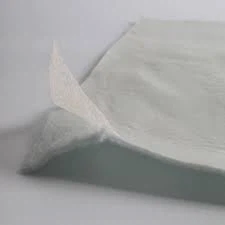
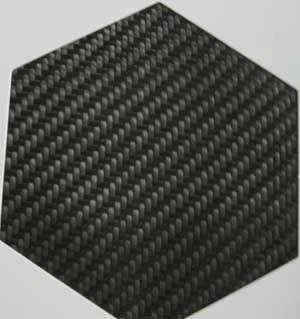
Geotextiles are versatile permeable fabrics that, when used in conjunction with soil, can effectively perform multiple functions, including separation, filtration, reinforcement, protection, and rebuilding the coastline. Typically crafted from polypropylene or polyester, geotextile fabrics are available in two primary forms: woven, which resembles traditional mail bag sacking, and nonwoven, which resembles felt.





Advantages of Geotextile
Improved soil stability
Geotextiles improve soil stability by distributing structural loads over a larger area. This reduces stress on the soil, thereby reducing the risk of settlement and soil failure. Geotextiles also prevent mixing of different soil layers, which can lead to differential settlement.
Cost effective solution
Geo Textile is a cost effective solution for civil engineering applications. They are cheaper than traditional materials like gravel and concrete and require less labor for installation. Geotextiles also reduce the need for excavation, which can save time and money.
Easy to install
Geotextiles are easy to install and require minimal equipment. They can be installed in different weather conditions and on uneven surfaces. This reduces installation time and cost and minimizes disruption to the surrounding environment.
Environmentally safe
Geo textiles are an eco-friendly alternative to traditional materials. They are made from synthetic or natural fibers that are biodegradable, reducing the environmental impact of civil engineering projects. Geotextiles also improve soil quality, which can have a positive impact on the surrounding environment.
Versatility
Geotextiles are versatile materials that can be used for various civil engineering applications. They are suitable for use in drainage, filtration, reinforcement, erosion control and soil stabilization. Geotextiles can be used in combination with other materials such as gravel and concrete to provide additional strength and stability to the structure.
Types of Geotextile
Non-Woven Geotextile
Non-woven geotextile has excellent filtering, isolation, reinforcement and protection, high tensile strength, good permeability, high-temperature resistance, freezing resistance, aging resistance, and corrosion resistance. Non-woven geotextile is made of filaments or short fibers that are laid out into a net through different equipment and processes. After needle punching and other processes, different fibers are interwoven with each other, entangled, and fixed to standardize the fabric and make the fabric soft, It is full, thick, and stiff to achieve different thicknesses to meet the requirements of use.
Woven Geotextile
Woven geotextile is composed of at least two sets of parallel yarns (or flat yarns). One group is called warp yarn along the longitudinal direction of the loom (the direction in which the fabric travels), and the other group is arranged called weft yarn. The warp yarn and the weft yarn are interwoven into a cloth shape with different weaving and weaving equipment and processes, which can be woven into different thicknesses and densities according to different ranges of use. Generally, spinning geotextiles have strong resistance in both vertical and horizontal directions. Tensile strength (longitude is greater than latitude), with good stability. Woven geotextiles are divided into two categories: reinforced geotextiles and unreinforced geotextiles according to the weaving process and the use of warp and weft. The warp tensile strength of reinforced geotextiles is much greater than that of ordinary geotextiles.
Knitted Geotextiles
Knitted geotextiles have a knitted construction. The knitting technique used to create geotextiles, in a way, includes applying a bit of weaving as well. It requires a certain level of knowledge on a particular form of knitting to bring uniformity, and machine knitting provides this consistency. When needing to reinforce soil, such as for foundation improvement, or in very soft soil conditions such as working in tidal mudflats, Knitted Geotextile may be the answer. This unique construction provides high-strength, excellent elongation characteristics, drainage, filtration, soil separation, isolation, and more.

Application of Geotextile
Most people think of filtering sediment from water when they think of geotextiles. It's a key feature of all types of geotextiles and the main reason why it's so effective. A common filtration application is with silt fences. Silt fences are geotextile filtration fabric fastened to fencing posts and position downgrade from a job site or any location with disturbed soil. When a rainstorm rolls in and washes dirt and sediment downhill, that runoff water will filter through the silt fencing, preventing damage to local storm drains and waterways.
Separation is one of the most common applications of geotextiles, and it's been a big game changer for the construction industry. Using road construction as an example, modern roads are constructed in layers of different materials. When the soil beneath the road gets wet, the bottom layer of rocks and gravel will sink into the mud. Adding a layer of geotextiles as an underlayment creates separation and prevents the road from sinking.
When engineers face the challenging task of preventing inherently unstable structures like embankments and retaining walls from failing, they once again rely on geotextiles to provide reinforcement. On man-made embankments, geotextiles can be installed in layers to increasing the shear strength of the soil. Shear strength measures the resistance or friction of the soil particles sliding over each other. Engineers want to reduce and prevent as much sliding as possible on an embankment.
Geotextiles can convert a wet unstable base into a consistently stable surface. Placing geotextiles over wet compressible soil is a common stabilization method. The liquid in the soil can escape through the geotextile layer as the soil compresses into a stable layer. Before the implementation of geotextiles, methods like these would be very difficult if not impossible.
How do Geotextiles Work
There is a lot of science and engineering behind the development and implementation of geotextiles, and it all revolves around the term soil mechanics. Geotextiles are designed to help control and improve key soil mechanics, specifically soil compression, tension, and shear strength.
Soil Compression
A layer of geotextile help optimizes the compression of the top layer of soil while reducing unnecessary soil compaction underneath. On certain projects, a flat layer of compressed soil is needed and can be difficult to achieve without geotextiles. Think of laying the foundation of a building or a roadway. Trying to compress topsoil would just continually push downwards. A Geotextile layer helps prevent that.
Soil Tension
Soil tension is the measurement of how well it retains water. On any project, you don't want the soil to be too wet, and you don't want it to be too dry. Dry soil is highly susceptible to being eroded, and overly wet soil is mud. Earlier we talked about woven geotextiles being less permeable than non-woven ones. Soil tension control is where that permeability comes into play. Depending on your project needs, you will pick a geotextile that can provide the required permeability level.
Soil Shear Strength
We briefly touched on this earlier. This is the measurement of the friction resistance of soil particles sliding over each other. It sounds like an odd thing to measure, but in instances where you really don't want that soil to move, it's very important. Correctly implementing geotextiles can drastically increase the soil shear strength. Think of how much stronger cement is when you add rebar, that is essentially what you are doing with geotextiles and soil.
Functions of Geotextiles
Geotextiles are used in a wide range of civil engineering applications with the following functions:
Reinforcement
Geotextiles are used to reinforce soil, provide stability and prevent soil erosion. They are commonly used in the construction of walls, dams and roads.
Filtration
Geotextiles are used to filter sediment and other particles from water, preventing clogging of drainage systems. They are commonly used in drainage applications, such as underdrain and geo composite drains.
Separation
Geotextiles are used to separate different soil layers, preventing mixing and maintaining the integrity of the soil structure. They are commonly used in road construction and landfill applications.
Protection
Geotextiles are used to protect structures from damage caused by soil erosion, water infiltration and other environmental factors. They are commonly used in corrosion control applications
Geotextile Laying Process Requirements
- Basic level inspection: Check whether the basic level is flat and solid. If there are foreign objects, handle them.
- Trial paving: Determine the size of geotextile according to the site conditions, and try to pave it after cutting. The cutting size should be accurate.
- Check whether the width of the Sarah is appropriate, the overlap should be flat and the tightness should be moderate.
- Positioning: Use a hot air gun to bond the overlapping parts of the two geotextiles, and the spacing of the bonding points should be appropriate.
- When stitching the overlapping parts, the sutures should be straight and the stitches should be even.
- After stitching, check whether the geotextile is laid flat and whether there are defects.
- If there is a phenomenon that does not meet the requirements, it should be repaired in time.

Properties of Geotextiles
The properties of geotextiles can vary depending on the type of fabric used and the manufacturing process.
Strength
Geotextiles are designed to add strength and power to the soil. The strength of a geotextile is determined by its tensile strength, tear strength and puncture resistance.
Permeability
Geotextiles are designed to allow water to flow through them while retaining soil particles. The permeability of a geotextile is determined by its porosity and hydraulic conductivity.
Durability
Geotextiles are designed to withstand harsh environmental conditions including UV radiation, extreme temperatures and chemical exposure. The durability of a geotextile is determined by its resistance to degradation and abrasion.
Filtration
Geotextiles are designed to filter sediment and other particles from water, while allowing water to flow through. The filtration efficiency of a geotextile is determined by its pore size and surface area.
Self-Inspection and Repair of Geotextile
All geotextile pieces and seams must be checked. Defective geotextile pieces and stitches must be marked on the geotextile and repaired.
The worn geotextile must be repaired by laying and connecting small pieces of geotextile. The small pieces of geotextile must be at least 200mm longer than the edge of the defect in all directions. The thermal connection must be controlled to ensure that the geotextile patch and the geotextile are combined, and there is no damage to the geotextile.
Before the end of each day of laying, inspect the surface of all the geotextiles laid that day to confirm that all damaged places have been marked and repaired immediately, and make sure that the laying surface is free of foreign substances that may cause damage, such as fine needles and small iron. Nails and so on.
The following technical requirements should be met when repairing geotextile damage:
The patch material used to fill holes or cracks should be the same as the geotextile.
The patch should extend at least 30 cm beyond the damaged geotextile.
At the bottom of the landfill, if the crack in the geotextile exceeds 10% of the width of the coil, the damaged part must be cut off, and then the two geotextiles must be connected; if the crack exceeds 10% of the width of the coil on the slope, it must be Remove the roll of geotextile and replace it with a new roll.
The work shoes and construction equipment worn by the construction personnel should not damage the geotextile, and the construction personnel must not do things that may damage the geotextile on the laid geotextile, such as smoking or poking the geotextile with a sharp tool.
For the safety of geotextile materials, the packaging film should be opened before laying the geotextile, that is, one roll is laid and one roll is opened. And inspect the appearance quality.
It is especially pointed out that the geotextile will be inspected and approved in time after it arrives at the site.
Effectiveness of geotextile applications rely considerably on following suitable protocols during on-site placements:
● Carefully graded smooth subgrade preparations lacking sharp protruding debris provides an ideal geotextile interfacing surface.
● Adjacent geotextile sheets overlapped at least 24 inches, perhaps more for steep slopes.
● Fabric layers to be covered by specified minimum thicknesses of overlaying fill materials through properly designed lift placements protecting the geotextile strength capacity. Larger aggregate gradations gently raked and compacted using suitable plant equipment types.
● Fabric retention in anchor trenches through backfilling with compacted soils preventing pullouts or slope movements. Junctions between rolls stretched and held until secured. Seams sewn or bonded through approved methods specified in product documentation minimizing openings at connections.
● Monitoring and prompt addressing of failures through examination for tears, scrapes and punctures during material deposition before permanent coverage. Repairing compromised sections after ensuring adequate subsurface preparations.
Woven geotextiles are made by blending and weaving textiles together on a loom, creating a single an even length. The end product is not only sturdy and strong, which makes them excellent for applications such as car parks and road constructions but also incredibly well equipped to endure any ground stabilization problems.
The resulting products are moderately impermeable and don’t provide the best separations against fines. However, woven geotextile will resist any UV degradation and be a better fit for long-lasting applications.
Mostly, woven geotextiles are measured based on tensile strength as well as strain, which is the material’s resistance to breaking tension.
Woven geotextiles provide drainage by enabling water to seep through while filtering out the sediments that might block the rest of the drainage system. They also protect the construction project against erosion by functioning as a separation barricade between the materials below and above the textiles.
Though all geotextiles can accomplish all these tasks the six primary functions of a geotextile are to filter, drain, separate, reinforce, waterproof, and protect. For the road construction project, different fabrics are required for different tasks. And for you to decide which geotextile is right for your construction project, you must start with your end objective in mind.

What is the History of Geotextiles?
Geotextiles were originally referred to as filter fabrics. While many people believe geotextiles were first made by R.J Berrett in the 1950s, the history of these materials goes further back. In the age of pharaohs, geotextiles were often used in roadways constructions to offer more stability on the roads and their edges. Geotextiles are believed to be among the first even textile products to be used by humans in history. Many Egyptian excavation sites have revealed the use of grass mats and linen. During the early times, geotextiles were made with natural fibers or a mixture of vegetation and soil to enhance the stability of roads.
The Considerations for Buying Geotextile
Strength and durability
A geotextile's strength is essential, especially in applications where reinforcing is required. Look for geotextiles that can handle the anticipated loads and environmental conditions by having sufficient tensile strength and puncture resistance.
Permeability
The ability of a geotextile to hold soil particles while allowing water to move through is referred to as permeability. The permeability of the geotextile should correspond to the project's drainage needs.
Design life and longevity
When selecting a geotextile, take into account the anticipated project lifespan and match the design life to that lifespan. Although more expensive initially, geotextiles with a longer lifespan can ultimately save you money on maintenance and replacement expenditures.
Compatibility with soils and aggregates
Make sure the geotextile is appropriate for the particular soils and aggregates that are being utilized in your project. Some geotextiles may degrade when exposed to particular soil types due to chemical reactions.
Industry standards and regulations
Ensure that the geotextile complies with all applicable rules and requirements for your type of project. The geotextile will perform as anticipated and in accordance with safety regulations if compliance is maintained.
Cost-effectiveness and budget considerations
While choosing a high-quality geotextile is important, you should also take your project budget into account. Achieve a balance between your requirements and affordable choices that match your performance standards.
Importance of Selecting the Appropriate Geotextile
Enhanced structural integrity
By adding reinforcement, geotextiles help the soil become more solid and resilient to heavy loads. The geotextile helps distribute the weight evenly and prevents soil erosion in applications like road building, where this reinforcement is crucial.
Improved Drainage
Proper drainage is crucial to avoid water buildup that could erode a structure’s foundation.The ideal permeability characteristics of geotextiles can help with efficient water drainage while preventing soil erosion.
Soil separation and filtration
In order to keep fine particles from blending with coarser materials, geotextiles serve as a barrier. This capacity to separate and filter is beneficial in applications like retaining walls because it stops soil from seeping into drainage systems.
Erosion control
Geotextiles can be used in landscaping and slope stabilization projects to reduce erosion by stabilizing the soil and encouraging plant growth.
Extended lifespan
The lifespan of your building project can be greatly increased by selecting the appropriate geotextile fabric. It may prevent issues like soil settlement, rutting, and cracking, which will eventually result in lower maintenance and repair expenses.
Our Certifications
Our products have obtained ISO9001:2008 International Quality Management System Certificate and ISO14001:2004 Environment Management System Certificate. Now our production and sales systems are standard.

Our Factory
Registered capital;RMB120 million,existing 400 employees,including 100 various types of professional and technical staff,occupied areas of 200000 square meters.and there are more than 20 advanced production line,and more than 100 people professional construction team,Shandong Xinyu Geosynthetics Engineering Co.,Ltd. set research and development,production,service as a whole.It is the modern science and technology innovation enterprise which provide the overall solutions.

Ultimate FAQ Guide to Geotextile
We are one of professional geotextile manufacturers and suppliers in the geosynthetic industry in China. Welcome to wholesale bulk cheap geotextile in stock here from our factory.
Composite Drainage Board, , LDPE Geomembrane Liner