


Types Of Geotextiles
Introduction: Geotextile, also known as geofabric or geomembrane, is a type of material used widely in civil engineering and hydraulic engineering for enhancing soil stability, erosion control, filtration, and drainage. It is typically made of synthetic fibers such as polyester, polypropylene,...
Product Introduction
Introduction:
Geotextile, also known as geofabric or geomembrane, is a type of material used widely in civil engineering and hydraulic engineering for enhancing soil stability, erosion control, filtration, and drainage. It is typically made of synthetic fibers such as polyester, polypropylene, or nylon and comes in different sizes, shapes, and thicknesses. Geotextiles have revolutionized the construction industry by providing a cost-effective, durable, and sustainable solution to various problems related to earthworks, subgrades, retaining walls, roadways, and hydraulic structures.
In this article, we will discuss the types of geotextiles, their differences, applications, and consider the factors to be considered when purchasing geotextile products.
Types of Geotextiles:
There are four main types of geotextiles:
1. Woven Geotextiles:
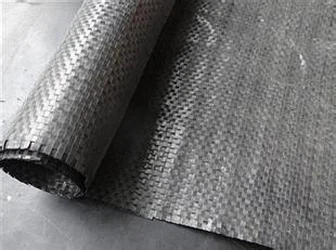
Woven geotextiles are made from synthetic yarns that are woven together to form a stable fabric. The weaving pattern may vary; it could be plain, twill, or satin weave. Woven geotextiles have high tensile strength, moderate elongation, and excellent puncture resistance. They are typically used for stabilization, reinforcement, separation, and filtration applications.
2. Non-Woven Geotextiles:
Non-woven geotextiles are made of synthetic fibers that are bonded together using heat or chemical processes. The fibers could be polypropylene, polyester, or rayon. Non-woven geotextiles are lightweight, flexible, and offer good drainage and filtration properties. They are commonly used for separation, filtration, and drainage applications.
3. Needle-Punched Geotextiles:
Needle-punched geotextiles are made of synthetic fibers that are mechanically interlocked by a series of needles. The fibers could be polypropylene, polyester, or nylon. Needle-punched geotextiles have excellent filtration and drainage properties, high resilience, and adequate tensile strength. They are often used for separation and filtration applications.
4. Knitted Geotextiles:
Knitted geotextiles are made from synthetic yarns that are looped together using knitting machines. They have high flexibility, excellent hydraulic properties, and are easy to install. Knitted geotextiles are typically used for soil stabilization, erosion control, and filtration applications.
Applications of Geotextiles:
Geotextiles have a wide range of applications in civil engineering and hydraulic engineering. Some of the most common applications are as follows:
1. Soil Stabilization: Geotextiles are used to stabilize the soil by providing a stable foundation for building structures, roads, and railways. They distribute the loads over a wide area, thereby reducing the pressure on the soil and increasing its bearing capacity.
2. Erosion Control: Geotextiles are used to prevent soil erosion by stabilizing the slopes and embankments. They allow water to pass through while trapping the soil particles, thus preventing soil erosion.
3. Separation: Geotextiles are used to separate different layers of soil and prevent intermixing. They also prevent the migration of fine particles and prevent clogging of drainage systems.
4. Filtration: Geotextiles are used to filter water, air, and other liquids by trapping the impurities and allowing the free flow of clean water.
5. Drainage: Geotextiles are used to facilitate drainage by allowing water to flow through the fabric while preventing the entry of soil particles.
Factors to Consider when Purchasing Geotextile Products:
When buying geotextile products, the following factors should be considered:
1. Type of Geotextile: The type of geotextile should match the specific application requirement. For instance, woven geotextiles are suitable for reinforcement and stabilization, while non-woven geotextiles are suitable for filtering and separation.
2. Tensile Strength: The tensile strength of the geotextile should be adequate to handle the anticipated stress load. The manufacturer's specifications should be matched against the design requirements.
3. Puncture Resistance: The geotextile should have adequate puncture resistance to withstand accidental puncturing during installation or use.
4. Permeability: The permeability of the geotextile should match the drainage requirements of the application. The fabric should allow water to pass through while retaining the soil particles.
5. UV Resistance: The geotextile should be UV resistant if it will be exposed to sunlight for prolonged periods. UV radiation can damage the fabric and reduce its lifespan.
6. Durability: The geotextile should be durable enough to withstand the anticipated usage period. The manufacturer's specifications should be compared against the expected lifespan of the application.
7. Cost: The cost of the geotextile should be balanced against the benefits it provides, such as increased stability, reduced erosion, and improved drainage.
Conclusion:
Geotextiles are versatile materials that have significantly improved the construction and hydraulic engineering industry. They offer a sustainable and cost-effective solution to many soil-related problems. Woven, non-woven, needle-punched, and knitted geotextiles are the main types of geotextiles, and they have different properties suited to specific applications. The choice of geotextile product should be based on the application requirements, stress load, permeability, UV resistance, durability, and cost factors. Purchasers should seek expert advice before making the final decision.
Hot Tags: types of geotextiles, China, manufacturers, suppliers, factory, cheap, in stock
You Might Also Like


Send Inquiry
