

Why Choose Us?
Professional After Sales Service
We are not only the geosynthetics product's factory,also have own trading company,to ensure our global service.
Official Certification
Our company adheres to the business tenet of "abiding by the contract, quality first and customer first", meticulously.
No.1 Sales Volume
We must arrive at the site to check the situation and guarantee it in time within days after receiving the quality.
One-Stop Solution
We set research and development,production,service as a whole.It is the modern science and technology innovation enterprise which provide the overall solutions.
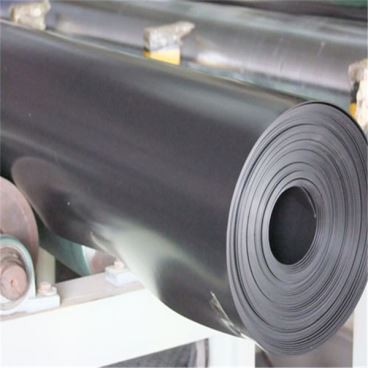
What is Geomembrane?
A geomembrane is very low permeability synthetic membrane liner or barrier used with any geotechnical engineering related material so as to control fluid (liquid or gas) migration in a human-made project, structure, or system. Geomembranes are made from relatively thin continuous polymeric sheets, but they can also be made from the impregnation of geotextiles with asphalt, elastomer or polymer sprays, or as multilayered bitumen geocomposites. Continuous polymer sheet geomembranes are, by far, the most common.




Advantages of Geomembrane
Geomembranes are ideal for lining reservoirs, canals, and ponds. The sheets prevent seepage into groundwater and retain more water at the surface for productive use. This enables improved irrigation efficiency, especially in arid regions. Canal lining also controls erosion and structural deterioration, significantly extending service life. Overall, geomembranes enable smarter water usage.
Lining wastewater lagoons and agricultural slurry impoundments with geomembrane sheets mitigates risks of groundwater contamination. The barriers limit leaching of nutrients like nitrogen and phosphorous into soil and aquifers. Geomembranes also resist damage from UV rays and corrosive chemicals in wastewater. Controlling effluent enhances environmental safety.
The greatest volume usage of geomembranes is for landfill liners and caps. The sheets prevent landfill debris and leachate from infiltrating groundwater below or escape into the surrounding environment. Leachate collection systems integrate with geomembrane liners to enable safe treatment. Liners also reduce landfill gas emissions.
At brownfield sites and contaminated properties, geomembranes isolate pollution like heavy metals, volatile organic compounds, or petroleum hydrocarbons until remediation is complete. This technique reduces migration into clean soils or groundwater. Covering contamination is cheaper than full removal in some cases.
In coastal zones, subsurface geomembrane sheets function as saltwater intrusion barriers to block saline water from entering freshwater aquifers, with biogas digester. The impermeable lines allow freshwater abstraction while preventing saline intrusion inland. This unique use protects limited drinking water resources.
Unlike compacted clay and other natural liners, geomembranes are highly resistant to chemicals, acids, oils and temperature swings. Proper installation results in a continuous non-permeable layer with a long service life. Regular inspections help identify and repair any damage that could occur over decades of use.
Compared to compacted clay liners, geomembrane installation is quick and efficient. Large sheets can rapidly cover expansive areas without intensive earthmoving or water needs. This cuts equipment usage, labor, costs and environmental impact. Lining existing sites is achievable with limited disturbance.
Underlying drainage/leak detection systems can be integrated with geomembranes. Any liquid captured signifies a liner breach before major failures occur. This enables proactive identification and repair of defects to maintain barrier integrity. Regular monitoring ensures performance over time.
Types of Geomembrane

PVC Geomembrane
PVC (Polyvinyl Chloride) geomembranes is a thermoplastic waterproofing material made with vinyl, plasticizers, and stabilizers. When ethylene dichloride is cracked into a dichloride, the result is then polymerized to make the polyvinyl chloride resin used for PVC geomembranes. PVC geomembrane is tear, abrasion, and puncture-resistant, making them suitable for constructing canals, landfills, soil remediation, wastewater lagoon liners, and tank linings.

TRP Geomembrane
A TRP (Reinforced Polyethylene) geomembrane uses polyethylene fabric for long-term water containment and industrial waste applications. TRP geomembranes are an ideal choice for soil remediation, landfills, canals, lining temporary retaining ponds, agricultural & municipal applications due to their low-temperature range, chemical resistance, and ultraviolet stability.

HDPE Geomembrane
High-Density Polyethylene (HDPE) is characterized by strong UV/temperature resistance, inexpensive material cost, durability, and high resistance to chemicals. It is the most commonly used geomembrane because it offers higher thickness which other geomembranes don’t. HDPE is the preferred choice for pond and canal lining projects, landfill, and reservoir covers.

LLDPE Geomembrane
LLDPE (Linear Low-Density Polyethylene) geomembrane is made with virgin polyethylene resins which make it strong, durable, and resistant to UV & low temperature. Engineers and installers who require an impermeable geomembrane usually opt for LLDPE as it offers more flexibility compared to HDPE. They are used in industrial applications, such as animal & environmental waste containments as well as liquid storage tanks.

RPP Geomembrane
RPP (Reinforced Polypropylene) geomembranes are polyester-reinforced liners made from a UV-stabilized polypropylene copolymer that gives the material stability, chemical resistance, and flexibility. Its strength and durability can be traced to the support it gets with nylon scrim. RPP geomembranes are ideal for long-term water containment and industrial waste applications.

EPDM Geomembrane
EPDM (Ethylene Propylene Diene Monomer) geomembrane has a rubber-like texture that makes for its durability, UV-stability, strength, and flexibility. They are ideal for extreme weather conditions and for resisting punctures. EPDM geomembranes are easy to install, typically used as surface barriers for dams, liners, covers, backyard landscape, and other irrigation sites.
Application of Geomembrane
Liner Systems for Landfills
Geomembranes are commonly used as liners in landfills to prevent the leachate (liquid that drains from the waste) from contaminating the surrounding soil and groundwater. They create a barrier that isolates the waste from the environment, helping to protect against pollution.
Geomembrane Covers for Landfills
Besides lining, geomembranes are also used as covers or caps to contain odors, reduce gas emissions, and control moisture infiltration.
Pond Liners
Geomembranes are used as liners for various types of ponds, such as wastewater treatment ponds, decorative ponds, and agricultural ponds. They prevent water seepage and soil erosion while maintaining water quality.
Waterproofing for Dams and Canals
In hydraulic engineering, geomembranes are used to waterproof dams, canals, and reservoirs. They ensure water containment and prevent seepage, which is crucial for the safety and efficiency of these structures.
Stormwater Management
Geomembranes are employed in stormwater management systems to create detention basins and retention ponds. They help control the flow of stormwater and protect against soil erosion.
Secondary Containment
In industries handling hazardous materials, geomembranes are used for secondary containment systems to prevent leaks and spills from reaching the environment.
Aquaculture
Geomembranes are used to line fish and shrimp ponds in aquaculture. They help maintain water quality and prevent contamination of the surrounding ecosystem.
Tunnels and Underground Structures
In tunnel construction and underground structures, geomembranes are used for waterproofing to prevent water infiltration and protect against corrosion.
Erosion Control
Geomembranes can be used in erosion control systems, such as retaining walls and slope stabilization, to prevent soil erosion and landslides.
Geomembrane Canals
In some cases, geomembranes line canals, ensuring efficient water transport and preventing seepage.
First of all, geomembranes can prevent water waste. In water conservancy projects, such as reservoirs, dams, rivers, channels, and other buildings, geomembranes as anti-seepage layers can prevent groundwater or river water from entering the surrounding environment through leakage. This will not only reduce the consumption of groundwater resources but also avoid losses caused by massive leaks.
Secondly, geomembranes can improve irrigation efficiency. Agricultural irrigation is one of the key links necessary to ensure the stable operation of food production and farmland ecosystems. Yet, large amounts of irrigation water are wasted under traditional irrigation methods due to leakage. Using a geomembrane to cover the irrigation area can reduce leakage during the irrigation process, transport more water to the roots of crops, and improve irrigation efficiency.
Besides, geomembranes can prevent soil erosion. Much mud and waste will be generated in water conservancy projects while constructing structures such as rivers and dams. If these slurries and wastes are discharged into the surrounding environment, it will not only cause soil quality to deteriorate but may also cause water pollution problems. Using a geomembrane for covering can prevent mud and waste from penetrating groundwater or rivers and protect the ecological balance of the surrounding environment.
Finally, geomembranes can also increase the life of water conservancy facilities. Due to its excellent impermeability and mechanical strength, using geomembrane in water conservancy projects can extend the service life of buildings. It can prevent structural damage due to leakage and withstand a specific load pressure range.
Factors Affecting the Service Life of Geomembrane
Environmental conditions
Exposure to sunlight (ultraviolet radiation), temperature fluctuations, and weather conditions may affect the degradation of geomembranes.
Chemical exposure
Geomembranes may be exposed to various chemicals in soil or water. The geomembrane’s resistance to these chemicals will affect its service life. Chemical exposure may cause chemical erosion, dissolution, deterioration, and aging of the geomembrane, reducing its waterproofing performance and lifespan. Selecting resistant geomembrane materials and taking precautions are critical to ensuring their long life.
Geomembrane raw materials
Different materials have different chemical resistance and physical properties, affecting their durability. Under the same conditions, HDPE (high-density polyethylene) geomembrane usually has a longer service life. This is because HDPE has some characteristics that exhibit higher durability and stability in many applications.
Installation quality
Proper installation, including welding seams and securing the geomembrane to the substrate, is critical to ensuring its long life. Proper installation maximizes the life of the geomembrane and prevents mechanical damage and penetration problems; incorrect installation can cause mechanical damage, seam problems, wrinkles, and edge lifting, shorten the life, and increase the risk of penetration and UV damage.
Maintenance
Regular inspection and maintenance of the geomembrane will help detect problems early so they can be repaired or replaced. To ensure or extend the service life of the geomembrane, the following are some recommended geomembrane thickness ranges. Geomembrane thickness selection usually depends on specific project needs, soil conditions, and application environment.
What Is the Difference Between Geotextile and Geomembrane?
Water Permeability
The geomembrane is impermeable to water, but geotextile materials are water-permeable.
Material Composition
Geomembrane is a kind of waterproof barrier material based on high polymer, Polyethylene material.
Geotextiles, also known as geotextiles, are permeable geosynthetic materials made of synthetic fibers that are needled or woven. material is polyester/PET or polypropylene/PP. In simple terms, geomembranes are impermeable and geotextiles are permeable.
Functional Features
Geomembrane: Small specific gravity, strong elongation, high deformation ability, corrosion resistance, low-temperature resistance, good frost resistance.
Geotextile: High strength, corrosion resistance, good water permeability, good resistance to microorganisms, filtration and reverse filtration, slope protection, at the same time, combined with geomembrane as a composite waterproof and impermeable material, can play a role in puncture prevention
Main Applications
According to the impermeable characteristics of geomembrane, it can meet the impermeable requirements of railway, highway, sports hall, dam, hydraulic construction, tunnel, landfill, biogas pool, and biogas pool, environmental protection, and other projects.
Combined with the permeability and filtration characteristics of geotextile, it is used in highways (including temporary roads), railways, embankments, earth and rock dam, airport, sports field, and other projects to strengthen the weak foundation.
General Installation Guidelines for Geomembrane
Despite specifications, it is good practice to test samples of the product. Manufacturing quality control is one important set of tests to ensure the product meets U.S. standards. Follow up with quality control certifications and results from those tests to ensure that the materials supplied comply with and meet project specifications.
The project’s design requirements may vary, but in most cases, ideal geomembrane subgrades require a uniform surface free of sharp objects that could damage the geomembrane. As installations can take several weeks, visual inspections should be conducted every day, especially for the construction area scheduled to be laid with a geomembrane that day. The subgrade can also be damaged or disturbed by construction equipment.
When the geomembrane arrives and the subgrade is prepared, the next step is to place the product. Here are a few tips and best practices for the best installation outcomes. First, it is best only to deploy the quantity of geomembrane that can be anchored and welded during that day. Placing only what can be installed that day will help avoid unnecessary liner exposure. Second, it is recommended to prevent vehicular traffic across the exposed geomembrane. If ground equipment is required, use only approved low-ground-pressure vehicles or vehicles that can pass over test pads without causing damage to the liner. Third, use sandbags or a similar ballast to hold the geomembrane in place during installation temporarily.
Once all the sections have been placed and anchored, the team is ready to begin welding the panels together. For most situations, the welding process should be done when the surface temperature of the geomembrane is above 0°C. It is possible to work outside these parameters, but additional steps should be taken to ensure onsite safety and proper welds. Fusion welding equipment is ideal, but extrusion welding can be used when necessary.
As environmental conditions can greatly affect the quality of each weld, it is recommended that welding technicians perform a test weld before each welding session. The test weld should be done per ASTM D6392 using the same conditions, equipment, and materials used during production. Sections of the test weld should be cut and tested against minimum acceptable weld strength values.
The Benefits of Using Geomembranes as Liners in Aquaculture
Putting in a truly impermeable barrier, instead of hoping the natural soil and clay layers will control water flow, is the only way to prevent soil and water contamination. The nutrient solution used for raising crops is too likely to cause damage if allowed to seep out through the soil. Even rigid barriers, like concrete, can allow the water to slowly seep out of the ponds or raceways and spread.
Exposing the water in a fishpond or raceway to the bare soil also makes it harder to maintain the water quality parameters. In particular, pH levels tend to stay lower or higher than fish like depending on whether the soil is acidic is alkaline. By adding a physical barrier between the soil and the water, it's much easier to maintain the exact pH desired. Dissolved mineral and ammonia levels are also easier to manage with the help of the right liner.
Aquaculture projects, that don't take place in an established natural body of water like the ocean, require a steady supply of fresh water. This is increased greatly if the design is open and non-recirculating. When you consider the value of each gallon of water pumped or diverted into the system, you can't afford to lose a large percentage of the total water to seepage or leaks.
Some studies of aquaculture, especially those involving shrimp and fish like carp, find that lined systems produce larger and healthier products at harvest time. This can also occur in crop-production systems. For shrimp and fish, the larger growth and faster rate of development are mostly due to stable water quality and increased food sources gathering at the bottom of the pond.
Lining a pond or raceway gives you more opportunities for cleaning and controlling the conditions. Pond dry down is a common process between batches of fish or crops to kill off lingering water-carried diseases and pests. Clay and soil ponds rarely dry out completely because the sediment at the bottom traps a lot of moisture. Shrimp and shellfish, like mussels, are particularly prone to the build-up of diseases and other issues that reduce their production rate.
5 Key Factors to Consider When Selecting a Geomembrane
Material Type
Different geomembrane materials offer varying levels of durability, flexibility, and chemical resistance. Common materials include high-density polyethylene (HDPE), linear low-density polyethylene (LLDPE), polyvinyl chloride (PVC), and more. Consider the properties of each material and choose one that best suits your application, taking into account the substances it will be in contact with and the environmental conditions.
Thickness
Geomembrane thickness is crucial for its overall performance, including puncture resistance and durability. Thicker geomembranes generally offer better protection and longevity, but they may also be less flexible and more challenging to install. Choose a thickness that balances the need for strength and durability with ease of installation and project requirements.
Site Conditions
Evaluate the site conditions where the geomembrane will be installed. Consider factors such as soil type, groundwater levels, temperature fluctuations, and potential exposure to chemicals or UV radiation. Understanding the site conditions will help you select a geomembrane with the appropriate properties and ensure its long-term performance.
Installation Method
The method of installation can significantly impact the effectiveness and longevity of a geomembrane. Common installation methods include welding, adhesive bonding, and mechanical fastening.
Manufacturer and Supplier Reputation
Choosing a reliable and reputable geomembrane manufacturer and supplier, such as EPI, is critical. Ensure the manufacturer has a proven track record of providing high-quality products that meet industry standards and certifications. Additionally, consider their customer service, technical support, and warranty offerings to ensure a smooth and successful project.
What Are the Raw Materials of Geomembrane?
The main raw material of geomembrane is high-density polyethylene (HDPE). HDPE is a thermoplastic polymer material formed by polymerization of ethylene monomers, with the following characteristics:
High density
HDPE has a high molecular weight and density, which gives the geomembrane good mechanical strength and tensile resistance, and can withstand certain stresses and deformations.
Good impermeability
HDPE has low permeability and can effectively prevent the infiltration of water, liquids, and gases, providing a good impermeability effect for geomembranes.
Chemical resistance
HDPE has excellent chemical resistance, with good resistance to acids, alkalis, organic solvents, and chemicals in soil, and can avoid erosion and corrosion.
Aging resistance
HDPE has good aging resistance and can resist the effects of ultraviolet radiation, oxidation, and climate change, maintaining long-term stability.
Our Certifications
Our products have obtained ISO9001:2008 International Quality Management System Certificate and ISO14001:2004 Environment Management System Certificate. Now our production and sales systems are standard.

Our Factory
Registered capital;RMB120 million,existing 400 employees,including 100 various types of professional and technical staff,occupied areas of 200000 square meters.and there are more than 20 advanced production line,and more than 100 people professional construction team,Shandong Xinyu Geosynthetics Engineering Co.,Ltd. set research and development,production,service as a whole.It is the modern science and technology innovation enterprise which provide the overall solutions.

Ultimate FAQ Guide to Geomembrane
We are one of professional geomembrane manufacturers and suppliers in the geosynthetic industry in China. Welcome to wholesale bulk cheap geomembrane in stock here from our factory.
LDPE Geomembrane Liner, , Geobag