

Why Choose Us?
Professional After Sales Service
We are not only the geosynthetics product's factory,also have own trading company,to ensure our global service.
Official Certification
Our company adheres to the business tenet of "abiding by the contract, quality first and customer first", meticulously.
No.1 Sales Volume
We must arrive at the site to check the situation and guarantee it in time within days after receiving the quality.
One-Stop Solution
We set research and development,production,service as a whole.It is the modern science and technology innovation enterprise which provide the overall solutions.
What is Geogrid?
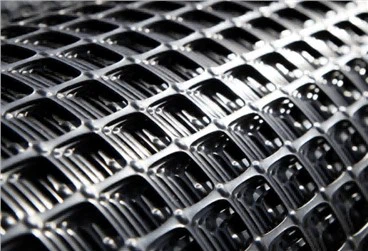
Geogrid, also known as geogrid mesh or stabilisation mesh, is a type of geosynthetic material used to provide stabilisation and reinforcement to soils and similar materials. Made from polymer plastics, typically polypropylene, polyethylene, or polyester, geogrids consist of a series of interlocking vertical and horizontal ribs that create apertures (open spaces) in a grid pattern.


Advantages of Geogrid
Geogrid a high-strength polymer mesh, acts as a reinforcement element in soil structures. When integrated into road construction projects, it dramatically enhances the structural stability of the pavement. The geogrid reinforces the base layers, distributing loads more uniformly and mitigating the risk of differential settlements. This reinforcement is particularly impactful in areas prone to soil erosion or instability, providing a robust foundation that stands the test of time.
One of the primary advantages that catapults geogrid to the forefront of modern road construction is its unparalleled ability to distribute loads. Traditional road structures often face challenges related to uneven load distribution, leading to premature wear and tear. Geogrid, acting as a load-spreading mechanism, ensures that the weight from vehicles and external forces is uniformly distributed across the entire road surface. This not only minimizes the potential for distress but also extends the lifespan of the road significantly.
Roads are subject to the relentless onslaught of environmental elements, ranging from fluctuating temperatures to moisture infiltration. Geogrid, with its weather-resistant properties, serves as a formidable shield against these environmental factors. Its inherent resistance to corrosion and degradation ensures that the road structure remains robust and resilient, even in the face of adverse weather conditions. This longevity translates to reduced maintenance costs and a prolonged service life for the road.
Settlement issues can plague road construction projects, leading to uneven surfaces and compromised safety. Geogrid, acting as a reinforcement grid, plays a pivotal role in mitigating the impact of settlement. By evenly distributing loads and stabilizing the soil layers, it minimizes the risk of settlement-related problems. This proactive approach not only enhances the safety of the road but also curtails the need for frequent and costly repairs, making geogrid a cost-effective choice in the long run.
In addition to its structural benefits, geogrid also streamlines the road construction process. Its lightweight and easily deployable nature facilitate efficient installation, reducing construction timelines. The ease of handling and maneuverability of geogrid make it a preferred choice for construction projects with tight schedules. This not only enhances overall project efficiency but also contributes to cost savings.
Types of Geogrid
Certain Uniaxial (UX) geogrids are oriented along the longitudinal, "machine direction" of an extruded sheet of polymer, thus yielding a grid structure consisting of long narrow ribs. Other products utilize polyester yarns to render extremely high allowable strengths at deficient strains. Given their unique properties, Uniaxial geogrids are ideal for both wall and slope applications such as retaining walls, landfill liner systems, embankments over soft soils, and very steep earthen slopes.
Biaxial (BX) geogrids are stretched in two directions, the longitudinal and transverse, equally distributing stress along both directions. While woven geogrids are still commercially available, extruded punched-and-drawn geogrids made of polypropylene are the most deployed among biaxial geogrids. Providing the geogrid with the ability to distribute loads over a wider area than usual while increasing its capacity in base stabilization applications. Biaxial geogrids are best for applications such as foundations for roadbeds, railroad truck beds, permanent unpaved roads, airport runways, construction haul roads, working platforms on weak subgrades, and parking lots.
TriAx® (TX) geogrids, a next-generation enhancement to biaxial geogrids, have additional diagonal ribs that increase the product's in-plane stiffness. The triangular pattern is formed into a hexagon to improve how the product absorbs traffic loading forces. TriAx® creates a more efficient effect that delivers optimal in-service stress transfer from the aggregate to the geogrid. Triaxial geogrids have undergone extensive full-scale and field testing and have been calibrated within the more common pavement design methodologies, both for paved and unpaved roads.
Geogrid-Geotextile Composites are comprised of both material types that are heat or sonically welded together to yield an effective reinforcement and separation element for very challenging subgrade soil conditions. When subgrade filtration-separation criteria cannot be met with adequately graded fill materials, Geogrid-Geotextile Composites are ideal for deploying. Such that underlying subgrade soils may be appropriately filtered, thus preventing contamination of the overlying granular fill.
Application of Geogrid
Geogrids are extensively used in road construction to improve the performance and longevity of pavements. When incorporated into the base or subbase of a road, geogrids distribute loads and reduce stresses on the underlying soil, preventing rutting and extending the life of the road.
Retaining Walls:
In the construction of retaining walls, geogrids provide reinforcement to the soil structure, preventing wall failure and potential collapse. By adding stability, geogrids enable the construction of taller and steeper retaining walls than would be possible with traditional methods.
Slope Stabilization:
Slope stability is a critical consideration in many construction projects. Geogrids are used to reinforce slopes, preventing soil erosion and landslides. The mesh-like structure of geogrids interlocks with the soil, creating a stable foundation and reducing the risk of slope failures.
Railway Embankments:
Geogrids find application in railway engineering to enhance the load-bearing capacity of embankments. By reinforcing the soil beneath the tracks, geogrids help distribute the load uniformly, reducing settlement and maintenance requirements.
Manufacturing of Geogrids

By Extruding
This manufacturing method of geogrids involves extrusion of a flat sheet of plastic into the desired configuration. The plastic material used may be high-density polypropylene or high-density polyethylene. Already set punching pattern is placed over the sheet to make holes for the formation of desired grids. The punching of a pattern of holes would result in the formation of so-called apertures. Next step involves the development of tensile strength, by stretching the material to both longitudinal and transverse direction. A figure representing an extruded Geogrid is shown below.

By Knitting or Weaving
In this method of Geogrid manufacture, single yarns of polyester or polypropylene material undergo either knitting or weaving to form flexible junctions forming apertures. These materials are recommended to have high tenacity, to give the Geogrid the final desired property. The product is bought into the market by giving them an additional coating of either bituminous material or a polyvinyl chloride or a latex. This choice varies with the manufacturer of geogrids.

By Welding and Extrusion
The method involves the extrusion of flat polyester or polypropylene ribs by passing them through rollers as shown in the figure below. These are done in automated machines that run at different speeds, enabling stretching of ribs and increasing their tenacity.
Geogrids are, basically, designed to prevent the movement of soil and other granular materials, be it beneath a pavement to reduce the impact of dynamic loads or behind a retaining wall to reduce the pressure against it. They achieve this through the use of their apertures, which allow the material placed on top of them to strike through the geogrid and create interlocking pockets between the high tensile ribs. This essentially creates a composite material that holds together better and distributes weight more evenly than either material can alone, helping to prevent concentrated loads from causing structural failure or contributing to the erosion of the base material and subgrade.
If you imagine holding a clump of soil in one hand and then pressing down on it with the other, what would happen? The soil clump would lose its shape, either becoming flatter and more spread out, or it would crumble and fall away, depending on its consistency. Now, imagine putting the same clump of soil into a square plastic mould; what would happen then? The pressure of your hand would compact the soil, but the mould would stop it from spreading or crumbling beyond its confines. Thus the soil in the mould scenario would move significantly less than the non-confined soil and create a much more stable base material. In its simplest form, this is what geogrid does but on a larger scale.
Compared to other geotextile products, geogrids can feel quite stiff. This is because the polymer material is effectively stretched out to create a high tensile strength in one or both rib directions, commonly known as the machine (or longitudinal) and transverse (or cross) directions. This, along with the strength of the joints, or nodes, where the ribs intersect, is key to the success of any geogrid. The material that fills up each aperture bears against the ribs that contain it, transmitting the load along the connected ribs via the junctions and distributing the load over a wider area. This only works if the ribs and the junctions are strong enough to withstand the tension.
How Does Geogrid Help to Stabilise Soil?
Tension Membrane Effect
When used as a geotechnical engineering term, the Tension Membrane Effect describes the stabilising effects of geogrids on a soil foundation. It is based on the concept of vertical stress distribution and the ability of a geosynthetic sheet to be deformed and absorb forces through tension. When a Geogrid is placed over or within the soil, it acts as a framework, reinforcing the subgrade layers and creating a “tension membrane” that creates an even soil distribution. This tension membrane helps to alleviate a number of geotechnical issues that can affect the stability of a soil foundation, such as subsidence or differential settlement. By providing increased strength through the Tension Membrane Effect, geogrids can help to reduce the risk of geotechnical issues and improve the safety and stability of soil foundations.
Improvement of Bearing Capacity
Bearing capacity is an essential concept in geotechnical engineering, as it helps to determine the load-bearing capabilities of the soil, i.e., the capacity for soil to support loads applied from the ground above. The bearing capacity of a geogrid is defined as its ability to distribute and transfer those loads over an area that extends both within the geogrid itself and beneath it. Soil reinforcement geogrids are, therefore, used to increase the bearing capacity of the soil and help ensure stability for structures built on top. Additionally, geogrids are used to strengthen weak or soft soils and reduce settlement. Most geotextiles and geosynthetic materials can do this to some degree. However, since a geogrid bears load from above and distributes it over a large area below, the bearing capacity of a geogrid is much higher. Depending on the geogrid type and loading conditions, bearing capacity can vary from a few kN/m2 up to hundreds of kN/m2, helping to optimise the design in a wide variety of geotechnical engineering projects.
Lateral Restraining Capability
The Lateral Restraining Capability (LRC) is a geosynthetic solution that stabilises soil and increases road performance. It helps to ensure the safety of highways, roads, and pavements by providing lateral restraint to geogrid reinforcement systems. In simple terms, the stresses produced by the wheel loadings of vehicles driving over the road surface results in the lateral movement of the aggregates beneath. This, in turn, affects the stability of the whole pavement arrangement. Installing geogrid in the soil beneath helps to increase its ability to resist this lateral movement of material by providing uniform distribution of stress over a wide area which minimises displacement and improves the road’s stability. The Lateral Restraining Capability ensures that geogrids are held firmly in place, preventing them from slipping or losing their stiffness. This helps avoid costly repairs and maintenance needs in the long run.
How Do You Install a Geogrid?
Installing geogrids for use in retaining walls
Uniaxial geogrids need to be rolled out perpendicular to the wall in lengths that should be dictated by a certified engineer’s recommendations based on the height of the wall, the conditions of the soil and subgrade, and the potential load the wall will have to support. The direction at which the geogrid is laid in relation to the wall is the most important thing to get right, however. If it is laid parallel to the wall, or you fail in any other way to follow the exact instructions given by the manufacturer, a uniaxial Geogrid will not provide the strength and stability needed to make the retaining wall safe.


Installing geogrids for use in ground stabilisation
Biaxial geogrids should be rolled out and allowed to follow the natural contours of the soil. The direction, depth, and whether or not multiple layers are required are all decisions that should be made off the back of a qualified engineer’s recommendations. In most cases, the geogrid can be laid either parallel to the road or pavement centreline or at right angles to it. Using a biaxial geogrid, which has the required tensile strength in both directions, means the direction is less important than it is for uniaxial geogrids. If multiple layers of geogrid are recommended throughout the depth of the fill, they should be evenly spaced with, typically, no more than 500mm between them. Always check the manufacturer’s instructions to be certain, though.
Geogrid vs. Geotextile: A Comparative Analysis
Material Composition
The primary difference between geogrid and geotextile lies in their material composition. Geogrids are characterized by a grid-like pattern formed from high-strength tensile elements, while geotextiles consist of permeable fabrics with varying filtration capabilities.
Strength and Stiffness
Geogrids excel in providing high tensile strength and stiffness, making them suitable for applications that require soil reinforcement and structural support. On the other hand, geotextiles offer moderate strength and are more commonly used for filtration, drainage, and erosion control purposes.
Load Distribution
Geogrids distribute loads more efficiently across a wider area due to their grid structure, whereas geotextiles distribute loads more evenly across their entire surface.
Applications
While there may be some overlap in certain applications, geogrids are primarily used for soil reinforcement, slope stabilization, and retaining wall construction. Geotextiles, on the other hand, find applications in filtration, drainage, separation, and erosion control.
Installation
The installation process for both geogrid and geotextile is generally straightforward. Geogrids are typically unrolled and placed in the desired location, while geotextiles are laid down and secured using stakes or other methods.
Choosing the Right Geogrid for Your Project: Factors to Consider
Project Type and Application
The first step in selecting the right geogrid is to clearly define the type of project and its intended application. Geogrids are used in a variety of projects, including road construction, embankment reinforcement, slope stabilization, and retaining wall construction. Different applications may require geogrids with specific characteristics and properties to meet project requirements.
Geogrid Material
Geogrids are typically made from one of two materials: polymer (plastic) or fiberglass. Polymer geogrids are more common and are known for their high tensile strength, flexibility, and resistance to chemical degradation. Fiberglass geogrids are less flexible but have excellent tensile strength and resistance to temperature variations. Your choice of material should align with the environmental conditions and demands of your project.
Tensile Strength and Modulus
Tensile strength is a critical parameter for geogrids. It measures the geogrid's ability to withstand forces applied in tension. Geogrids are available in various tensile strengths, often categorized as low, medium, or high strength. The choice of tensile strength should be based on the expected loads and stresses the geogrid will experience in the project. Additionally, consider the geogrid's modulus, which indicates its stiffness and ability to distribute loads efficiently.
Aperture Size and Shape
The aperture size and shape of the geogrid are crucial factors that influence soil interaction, compaction, and aggregate interlock. Geogrids with larger apertures are typically used for coarse-grained soils, while those with smaller apertures are better suited for fine-grained soils. The shape of the apertures, whether square, rectangular, or triangular, can also affect the geogrid's performance and interaction with soil particles.
Junction Strength
Junction strength refers to the strength of the connection points within the geogrid structure. Higher junction strength enhances the geogrid's ability to distribute loads effectively. When selecting a geogrid, consider the design and manufacturing quality to ensure that junction strength is adequate for your project's requirements.
Long-Term Durability
The durability of the geogrid is crucial for the longevity of your project. Consider factors such as resistance to UV radiation, chemical exposure, and environmental conditions prevalent in your project area. Geogrids with enhanced durability and resistance to degradation are essential, especially for long-term applications.
Installation Requirements
Different geogrids may have specific installation requirements, including overlap distances, anchor trench depths, and connection methods. Ensure that you choose a geogrid that aligns with your project's installation capabilities and budget. Some geogrids may require specialized equipment or techniques for proper installation.
Cost Considerations
Cost is always a significant factor in any construction project. While it's essential to choose a geogrid that meets your project requirements, consider the overall cost-effectiveness, including the initial purchase cost, installation costs, and long-term maintenance expenses. A higher-quality geogrid may offer better long-term value by reducing maintenance and repair costs.
Compliance with Standards and Regulations
Lastly, ensure that the selected geogrid complies with relevant industry standards and regulations. Different regions may have specific requirements for geosynthetic materials used in construction. Compliance ensures that your project meets safety and quality standards.
How Do Geogrids and Geonets Differ in Terms of Structure and Material?
Geogrids and geonets differ in both structure and material. Geogrids have a grid-like structure with open spaces between the intersecting ribs, while geonets are made of a series of interconnected polymer tubes or channels that form a net-like structure. Geogrids are typically made of high-strength polymers or fiberglass, while geonets are made of a variety of materials including high-density polyethylene (HDPE) and polypropylene (PP). These differences in structure and material make each material better suited for different types of projects and applications.
Our Certifications
Our products have obtained ISO9001:2008 International Quality Management System Certificate and ISO14001:2004 Environment Management System Certificate. Now our production and sales systems are standard.

Our Factory
Registered capital;RMB120 million,existing 400 employees,including 100 various types of professional and technical staff,occupied areas of 200000 square meters.and there are more than 20 advanced production line,and more than 100 people professional construction team,Shandong Xinyu Geosynthetics Engineering Co.,Ltd. set research and development,production,service as a whole.It is the modern science and technology innovation enterprise which provide the overall solutions.

Ultimate FAQ Guide to Geogrid
We are one of professional geogrid manufacturers and suppliers in the geosynthetic industry in China. Welcome to wholesale bulk cheap geogrid in stock here from our factory.
LDPE Geomembrane Liner, , Weed Control Fabric