

Why Choose Us?
Professional After Sales Service
We are not only the geosynthetics product's factory,also have own trading company,to ensure our global service.
Official Certification
Our company adheres to the business tenet of "abiding by the contract, quality first and customer first", meticulously.
No.1 Sales Volume
We must arrive at the site to check the situation and guarantee it in time within days after receiving the quality.
One-Stop Solution
We set research and development,production,service as a whole.It is the modern science and technology innovation enterprise which provide the overall solutions.
What is Geocomposite?
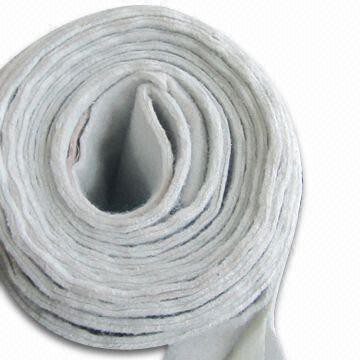
Geocomposites are combinations of two or more geosynthetic materials for civil engineering applications that perform multiple geosynthetic functions (the five basic functions are: separation, reinforcement, filtration, drainage, and containment. Such composite materials may enhance technical properties of the soil or the geotechnical structure and minimize application costs.



Advantages of Geocomposite
Geocomposites are engineered materials designed to provide specific functions and properties. By combining multiple geosynthetic components, they offer enhanced performance compared to traditional construction materials. Geocomposites can improve filtration, drainage, separation, reinforcement, and other geotechnical functions, leading to more efficient and durable structures.
Geocomposites can be tailored to meet the requirements of various applications. They offer flexibility in terms of composition, thickness, and configuration, allowing engineers to select the most suitable geocomposite for a specific project. This versatility makes them applicable in a wide range of geotechnical and civil engineering applications.
Geocomposites can lead to cost savings in construction projects. By providing multiple functions in a single material, they eliminate the need for using multiple individual products. This simplifies the construction process, reduces labor, and saves installation time and costs. They can also help mitigate long-term maintenance expenses by improving the durability and performance of structures.
Geocomposites can contribute to environmentally friendly construction practices. For example, geocomposite drainage systems help manage stormwater runoff, reducing the impact on natural waterways and preventing soil erosion. Additionally, they can be made from recycled materials, promoting sustainability and reducing the demand for virgin resources.
Geocomposites are lightweight and easy to handle, making them convenient for installation. They can be prefabricated or factory-assembled, allowing for faster and more efficient construction. They also offer consistent and predictable performance, reducing the risk of construction errors and ensuring the desired engineering outcomes.
Geocomposites are designed to withstand harsh environmental conditions and exhibit long-term durability. They are resistant to chemical degradation, biological attack, and uv radiation. By providing protection and reinforcement to underlying materials, geocomposites help extend the service life of structures.
Geocomposites can significantly improve the geotechnical properties of soils. They enhance soil stability, increase load-bearing capacity, and improve soil drainage characteristics.
Types of Geocomposite
The separation and filtering functions are always satisfied when a geotextile is used over or under a geonet, or when a geotextile-geonet-geotextile sandwich is made, but the drainage function is substantially increased over geotextiles alone. They form ideal drains to upwardly moving water in a capillary zone where frost heave or salt migration is a problem when placed horizontally. When water enters the sandwich, it goes horizontally across the geonet, away from any potential damage.
For a variety of purposes, geotextiles are laminated on one or both sides of a geomembrane. The geotextiles provide greater resistance to puncture, tear propagation, and sliding friction, as well as tensile strength in and of themselves, in the reinforcing area. Geotextiles, on the other hand, are frequently nonwoven, needle-punched, and of a somewhat hefty weight.
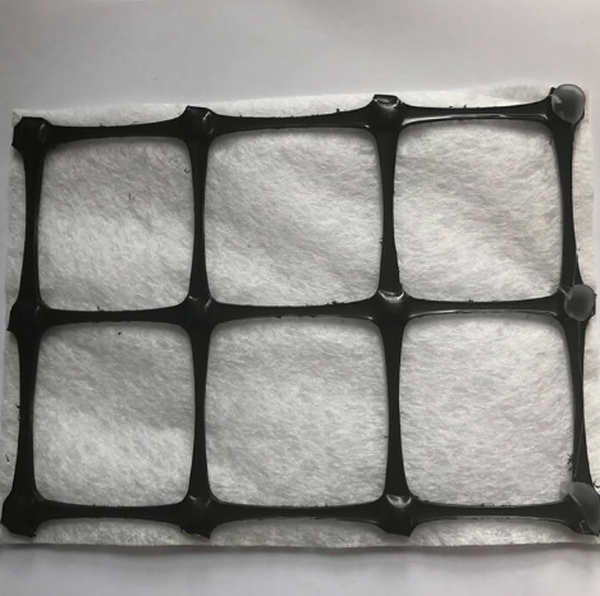
Because some types of geomembranes and geogrids are constructed of the same material (e.g., high-density polyethylene), they can be welded together to make an impervious barrier with increased strength and friction.
By constructing a composite material with a geogrid, or even a woven fabric scrim, geotextiles with low modulus, poor strength, and/or high elongation at failure can be considerably improved. Each component's synergistic properties usually improve the final output.
Many different geosynthetic products and soils can be developed, as shown by the geosynthetic clay liners. Geocells and geotextiles, for example, are inflexible polymer strips that have been skillfully stacked vertically in a box-like pattern, positioned horizontally (standing upright), and filled with soil. As a result, the material produces a cellular structure, which, when combined with the included soil, results in a mattress that is incredibly sturdy and stable.
When a core is in the shape of a quasi-rigid plastic sheet, it can be extruded or distorted in such a way that very large amounts of water can flow through it. As a result, it serves as a drainage core. On one or both sides, a geotextile acts as a filter to protect the core. There are numerous systems to choose from. This group includes strip, or wick, drains, and it has been suggested that the term “geospacer” be used to describe them.
Application of Geocomposite

Drainage Systems
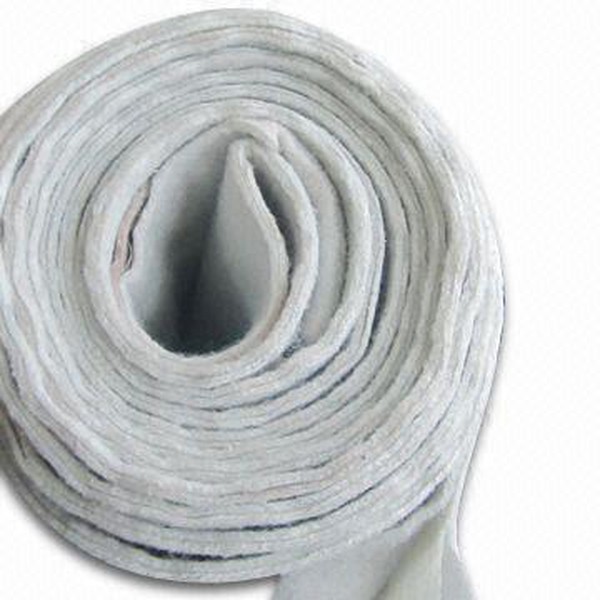
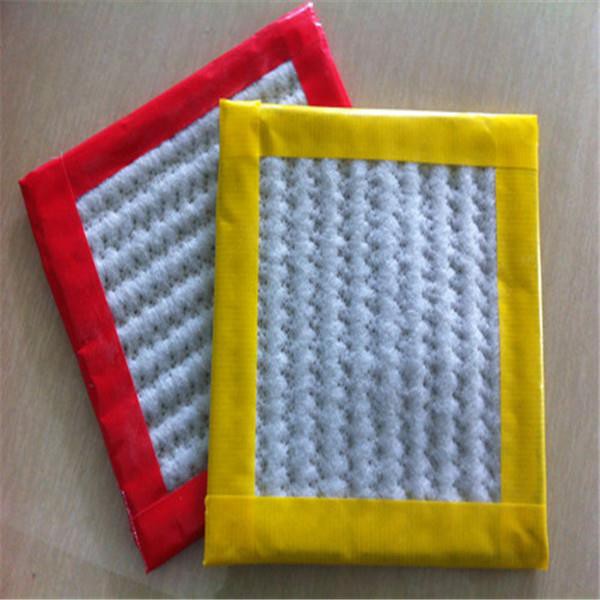
Geocomposites are extensively used in drainage applications. They provide efficient water flow and help control the movement of liquids or gases. Geocomposite drainage systems are used in roadways, sports fields, airport runways, retaining walls, and landfills to manage and redirect water, preventing the accumulation of excess moisture.
Filtration And Separation
Geocomposites with filtration and separation properties are used to prevent the mixing of different soil layers, control soil erosion, and provide stability. They are used in applications like road construction, railway embankments, landfill liners, and erosion control structures.
Environmental Protection
Geocomposites play a vital role in environmental protection applications. They are used in landfill liners, caps, and covers to prevent the contamination of soil and groundwater by providing impermeable barriers. Geocomposites also aid in the remediation of contaminated sites by facilitating the collection and management of pollutants.
Reinforcement And Stabilization
Geocomposites incorporating geogrids are used for soil reinforcement and stabilization. They enhance the load-bearing capacity of foundations, slopes, and retaining walls. Geocomposites help distribute loads more evenly, reduce soil settlement, and increase the overall stability of structures.
Erosion Control
Geocomposites are employed to control soil erosion in various applications such as riverbanks, coastal areas, and slopes. They provide a protective barrier against erosion caused by water flow or wave action, allowing vegetation to establish and stabilize the soil.
Gas Venting And Collection Systems
Geocomposites with geonets or geotextiles are used in gas venting and collection systems. They provide pathways for the efficient collection and removal of gases, such as methane or radon, from landfills, brownfield sites, or underground structures.
Pavement Systems
Geocomposites are used in pavement systems to improve their performance and durability. They enhance the separation between the subgrade and base layers, prevent the intrusion of fines, and provide reinforcement to control cracking and rutting.
Coastal And Marine Engineering
Geocomposites are utilized in coastal and marine engineering projects for shoreline protection, beach nourishment, and the stabilization of coastal structures. They help mitigate erosion, provide stability against wave action, and maintain coastal ecosystems.
Common Components Used In Geocomposites
Geotextiles
These are permeable fabrics made from synthetic materials such as polypropylene or polyester. Geotextiles can be woven or non-woven and are used for functions like separation, filtration, and erosion control.
Geomembranes
These are impermeable sheets made of synthetic materials like high-density polyethylene (HDPE) or polyvinyl chloride (PVC). Geomembranes act as barriers to prevent the movement of fluids or gases and are commonly used for containment applications like lining landfills or ponds.
Geogrids
These are grid-like structures made from polymer materials, typically high-strength polymers like polyester or polyethylene. Geogrids provide reinforcement to soils and are used to enhance the stability and load-bearing capacity of foundations, slopes, and retaining walls.
Geonets
These are three-dimensional structures consisting of intersecting rib-like strands or tubes. Geonets provide a drainage pathway by allowing the flow of liquids or gases through their open structure. They are commonly used in applications requiring drainage, such as landfill leachate collection systems or gas venting systems.
What Is The Difference of Geocomposite vs Geotextile?
Different Functions
While geotextiles perform specific functions like separation, filtration, drainage, and reinforcement, geocomposite geotextiles are more advanced materials that incorporate additional components to provide multiple functions simultaneously, such as improved drainage and protection. The choice between geotextiles and geocomposite geotextiles depends on the specific requirements of the project and the desired performance characteristics.
Different Production Method
Geotextiles are typically produced through either weaving or non-woven processes. Woven geotextiles are manufactured by interlacing continuous filaments or yarns in a regular pattern, creating a strong, fabric-like material. Non-woven geotextiles are created by bonding or needle-punching synthetic fibers together, forming a random or felt-like structure. Geocomposite is produced by combining geotextiles with other materials, such as drainage cores, geogrids, or geomembranes. The specific production methods can vary depending on the type of composite geotextile being manufactured. For example, drainage cores can be integrated into geotextiles during the production process by sandwiching them between layers of geotextile fabric.
Different Applications
Geotextiles have a wide range of applications in civil engineering and environmental projects, including: Geotextiles prevent the mixing of different soil layers, such as separating a stable base material from a weaker subgrade. Geotextiles allow water to pass through while retaining soil particles, preventing clogging of drainage systems or protecting sensitive areas from erosion.Geocomposite offer additional functionalities due to their combination with other materials. Some common uses include: Geocomposite incorporating drainage cores or channels improve water flow within the material, making them suitable for applications such as landfill drainage or subsurface drainage systems. Geocomposite can provide added protection to underlying materials, such as geomembranes or geomembrane liners. They act as a cushioning layer, preventing damage from sharp objects or offering puncture resistance.
Function Of Geocomposite Materials
Geocomposite materials serve various functions depending on their specific composition and application. Here are some of the primary functions of geocomposite materials:
Filtration
Geocomposites act as efficient filters, allowing the passage of fluids while retaining soil particles and preventing their migration. They are used to control soil erosion, stabilize slopes, and provide separation between different soil layers.
Drainage
Geocomposites facilitate the efficient flow of water or other fluids within the soil. They provide pathways for drainage, preventing the buildup of excess water and maintaining the stability of structures. Geocomposite drainage systems are commonly used in applications such as roadways, sports fields, and landfills.
Separation
Geocomposites create a barrier between different soil layers or materials, preventing their mixing and maintaining the integrity of the construction. They are used to separate dissimilar soils, such as soft subgrades and granular fill materials, to prevent their intermixing and potential settlement.
Reinforcement
Geocomposites incorporating reinforcement components, such as geogrids, provide enhanced strength and stability to soils and structures. They improve the load-bearing capacity of foundations, retaining walls, embankments, and other geotechnical applications.
Containment
Geocomposites with impermeable components, like geomembranes or geosynthetic clay liners (gcls), are used for containment purposes. They create barriers that prevent the migration of liquids or gases, protecting the environment from potential contamination. Containment applications include landfill liners, pond liners, and hazardous waste storage facilities.
Protection
Geocomposites offer protection against punctures, abrasion, and damage to underlying materials or structures. They act as a protective layer, preventing the intrusion of sharp objects or offering resistance to external forces.
Erosion Control
Geocomposites are utilized in erosion control applications, such as stabilizing slopes, riverbanks, and coastal areas. They help prevent soil erosion by providing a protective barrier against water flow, wave action, or wind, allowing vegetation to establish and stabilize the soil.
Gas Venting And Collection
Geocomposites are used to facilitate the venting and collection of gases, such as methane or radon, from landfills, brownfield sites, or underground structures. They provide pathways for the efficient collection and removal of gases to prevent their buildup and potential hazards.
What Are Some of the Geocomposites Used for Paving?
Geogrids
These are commonly used for soil reinforcement beneath roadways. Geogrids help in distributing loads over a wider area, thereby reducing the risk of pavement failure due to weak subgrade soils. They are particularly effective in stabilizing base layers of roads and parking areas.
Geotextile-Geogrid Combinations
These combine the reinforcing properties of geogrids with the separation and filtration functions of geotextiles. This combination is effective in preventing the intermixing of subgrade soil and aggregate base, while also providing reinforcement.
Geocells
These are three-dimensional, honeycomb-like structures that confine and stabilize soils. Geocells are used in pavement applications to improve load distribution, reduce rutting, and enhance the overall stability of the road structure.
Paving Fabrics and Mats
These are nonwoven geotextile materials impregnated with asphalt. They are laid between the old and new pavement layers. Paving fabrics act as a waterproofing layer, reducing water ingress into the subgrade and thereby decreasing the likelihood of pavement deterioration due to freeze-thaw cycles.
Drainage Composites
These are designed to provide effective drainage within or beneath the pavement structure. They help in removing water from the pavement base and subgrade, which is crucial for maintaining the strength and integrity of the road.
Asphalt Reinforcement Geocomposites
These are high-strength fabrics or grids, often coated with bitumen, used to reinforce asphalt layers. They are designed to reduce reflective cracking caused by traffic loads or thermal expansion/contraction.
Erosion Control Mats
While not directly part of the pavement, these are used on the sides of roads and highways to prevent soil erosion, especially in areas with slopes or where vegetation cover is yet to be established.
What Is an Example of a Geocomposite?
Geocomposites combine two or more distinct materials, each with a specific role. They often include:
Geotextile
One typical geocomposite example is the geotextile-geomembrane composite in landfill liner systems. These systems prevent leachate (contaminated water) from landfills from seeping into the environment. Geotextile provides filtration and separation, while geomembrane ensures impermeability.
Geocomposite Drainage Systems
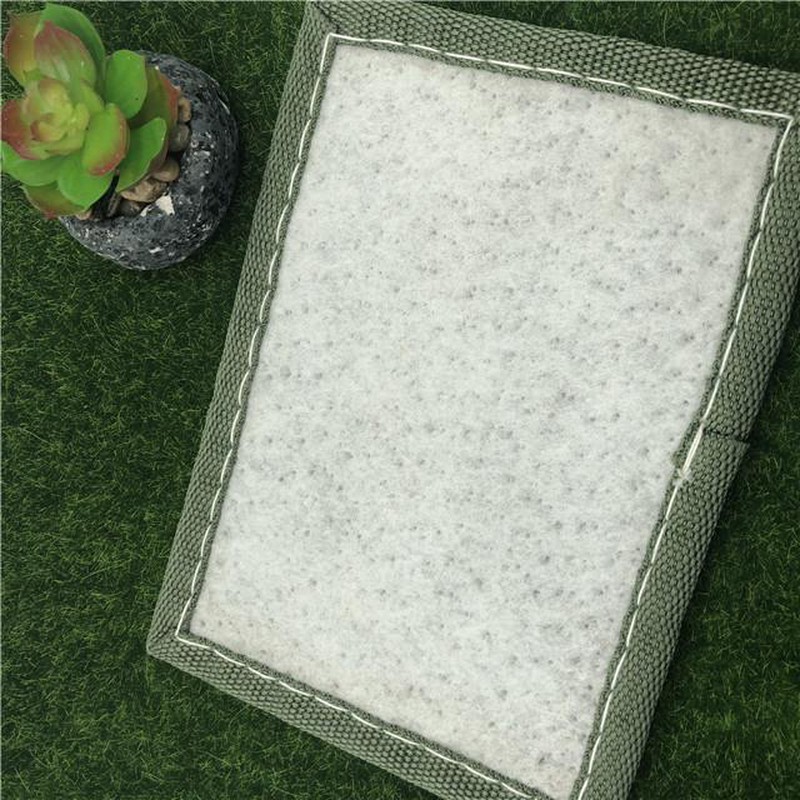
Another example is geocomposite drainage systems. We’ll delve into these systems shortly. These combine geotextile-geonet, geotextile-geogrid, geonet-geomembrane, or a geosynthetic clay liner (GCL), all designed for efficient water management.
What are the Requirements for Using Geocomposite on Paved Roads?
Quality Standards
Geocomposites used in road construction must meet specific industry standards for durability, strength, and environmental resistance.
01
Proper Installation
Skilled labor and adherence to manufacturer guidelines are crucial for the effective installation of geocomposites.
02
Site Assessment
A thorough evaluation of the site, including soil type, drainage conditions, and traffic load, is essential to determine the appropriate type of geocomposite.
03
Maintenance Plan
Regular maintenance schedules should be established to ensure the longevity and performance of the geocomposite material.
04
Environmental Considerations
The selection of geocomposites should also consider environmental impact, ensuring materials are eco-friendly and sustainable.
05
How Do Geocomposites Promote Road Construction's Environmental Sustainability?
Geocomposites contribute significantly to environmental sustainability in several ways:
Reduced Material Use
They often allow for the reduction in the use of traditional construction materials like aggregate and sand, which in turn reduces quarrying and transportation impacts.
Longevity
By enhancing the durability and lifespan of road infrastructure, geocomposites reduce the frequency of repairs and replacements, leading to less waste and lower consumption of resources.
Recyclability
Many geocomposites are made from recyclable materials and are themselves recyclable at the end of their life cycle, promoting a circular economy.
Erosion Control
They help in controlling erosion and reducing sediment run-off, which is beneficial in preserving natural landscapes and water quality.
Energy Efficiency
By improving the structural integrity of roads and reducing maintenance, geocomposites contribute to smoother surfaces and potentially lower fuel consumption for vehicles.
How Does Geocomposite Work?
Geocomposites, crafted from a blend of geotextiles, geomembranes, geogrids, or other geosynthetic materials, serve specific roles in civil engineering, environmental, and geotechnical contexts. Here's an overview of their functionality:
Geocomposites bolster soil, retaining walls, embankments, or slopes by evenly dispersing loads and bolstering stability. For instance, a geocomposite integrated with geogrids can fortify the bearing capacity of feeble soils.
These composites enable the passage of liquid through the geotextiles into the geonet, diverting it away to a collection point while halting soil particle migration. This filtering mechanism aids drainage systems, preserving soil integrity and permitting water flow to minimize erosion.
Within road construction or civil engineering ventures, geocomposites act as a barrier between distinct soil or aggregate layers, thwarting amalgamation and upholding structure integrity.
Tailored geocomposites are adept at draining excess water from soils or structures. They facilitate fluid movement while preventing soil particle obstruction, ensuring efficient liquid flow into the geonet and towards a designated collection area.
Utilized in erosion control, geocomposites stabilize soil and impede surface erosion. Their design allows water to traverse, averting soil particle displacement and safeguarding against erosion.
Why Is Transmissivity a Crucial Factor in Geocomposite Drainage Design?
Transmissivity is a crucial factor in geocomposite drainage design for several key reasons:
Adaptability to Various Conditions
Different geotechnical applications may present unique challenges, such as varying soil types, fluctuating water tables, or chemical exposure. A geocomposite with appropriate transmissivity can be selected to meet these specific conditions, ensuring the effectiveness of the drainage system.
Hydraulic Performance
The transmissivity of a geocomposite determines its hydraulic performance. In applications like landfill leachate collection, road subgrade drainage, or retaining wall drainage, the ability to quickly and effectively transport water away from these structures is essential to maintain their integrity and prevent failure.
Load Bearing Capacity
In many geotechnical applications, water accumulation can lead to increased hydrostatic pressure, which can affect the stability of the structure. A geocomposite with adequate transmissivity helps in maintaining the load-bearing capacity of the soil or structure by reducing this hydrostatic pressure.
Longevity and Durability
Proper drainage is key to the longevity of geotechnical structures. Water accumulation can lead to deterioration of materials and structural components. By ensuring effective drainage, a geocomposite with high transmissivity can extend the life of these structures.
Efficiency of Water Flow
The primary function of a geocomposite drainage system is to facilitate the flow of water or other fluids. High transmissivity ensures efficient water flow through the system, preventing water accumulation and potential damage in the surrounding areas.
Prevention of Waterlogging and Erosion
In areas prone to high rainfall or water flow, a geocomposite with high transmissivity can prevent waterlogging and soil erosion. This is particularly important in slope stabilization and landscaping applications.
Cost-Effectiveness
Efficient drainage systems reduce the need for maintenance and repairs. By choosing a geocomposite with the right transmissivity, long-term costs associated with water damage and system failure can be significantly reduced.
Our Certifications
Our products have obtained ISO9001:2008 International Quality Management System Certificate and ISO14001:2004 Environment Management System Certificate. Now our production and sales systems are standard.

Our Factory
Registered capital;RMB120 million,existing 400 employees,including 100 various types of professional and technical staff,occupied areas of 200000 square meters.and there are more than 20 advanced production line,and more than 100 people professional construction team,Shandong Xinyu Geosynthetics Engineering Co.,Ltd. set research and development,production,service as a whole.It is the modern science and technology innovation enterprise which provide the overall solutions.

Ultimate FAQ Guide to Geocomposite
We are one of professional geocomposite manufacturers and suppliers in the geosynthetic industry in China. Welcome to wholesale bulk cheap geocomposite in stock here from our factory.
Biaxial Geogrid